Ingredient profile
Raspberry Ketones in Leaftide: Why the Evidence Is So Thin
Raspberry ketones are the aroma compound behind the smell of raspberries, sold as a weight-loss aid. They sit last in Leaftide's 1000 mg blend, so label math caps them at about 111 mg. The NIH Office of Dietary Supplements calls the research insufficient: they have only been studied mixed with other ingredients (NIH ODS, Weight-loss supplements).
Written by the Leaftide editorial teamUpdated
The compound
What are raspberry ketones?
Raspberry ketone is a natural aroma compound, also called rheosmin. It is a big part of what makes raspberries smell like raspberries.
In supplements it is sold for weight loss. The Leaftide label lists it simply as "Raspberry Ketones", with no source, purity or strength. It is the ninth and last ingredient in the blend.
| Label name | Raspberry Ketones |
|---|---|
| Scientific name | Rheosmin (aroma compound) |
| What it is | Aroma compound |
| Position in the list | 9 of 9 (blend ingredients are listed from most to least by weight) |
| Per serving (2 capsules) | Not disclosed (part of the 1000 mg blend) |
| Amount used in research | Only tested mixed with other ingredients |
| Strength of evidence | Insufficient |
| Traditional or marketed use | Raspberry aroma compound sold for weight loss |
| Main caution | Not well studied; no known adverse effects in one 8-week study. |
The label does not say whether the compound was taken from fruit or made another way. It also gives no purity figure, so two products both labeled "raspberry ketones" may not match.
The evidence
Do raspberry ketones help with weight loss?
No one can say yet. The NIH Office of Dietary Supplements rates the research as insufficient (NIH ODS, Weight-loss supplements).
Insufficient
There are not enough studies to judge whether raspberry ketones affect body weight.
Only in mixtures
People have taken it only as part of combination products, never as the single ingredient under test.
Not well studied
One 8-week study found no known adverse effects. That is a single short look, not a safety record.
Compare that with garcinia cambogia, which has a dozen pooled trials and still shows only a small effect (NIH ODS, Weight-loss supplements). Raspberry ketones have not even reached that stage.
Why so little
Why is the evidence on raspberry ketones so thin?
Because it has only been tested inside mixtures. A mixture can tell you whether the product did something, never which part did it.
Many ingredients at once
A combination product puts several active ingredients in one dose.
One result for the group
If people lose weight, the trial reports one number for the whole mix.
No way to split credit
Without a trial of raspberry ketones alone, no one knows what share, if any, came from them.
Leaftide repeats the same problem on a larger scale. It mixes nine ingredients, and no trial of the full Leaftide formula has been published. So neither the blend nor its last ingredient has direct evidence behind it. Our guide to choosing a weight loss supplement shows how to spot this gap on any label.
Name confusion
Are raspberry ketones the same as keto ketones (BHB)?
No. They share a word, not a job. Raspberry ketone is a plant aroma compound, while BHB is a ketone body the liver makes.
"Ketone" in raspberry ketone describes part of its chemical shape. It is not a ketone body, and taking it does not put you into ketosis. Keto diets and BHB products are a separate topic.
| Point | Raspberry ketone | BHB (beta-hydroxybutyrate) |
|---|---|---|
| What it is | Aroma compound from raspberries | Ketone body |
| Where it comes from | Plants, or made for supplements | Made by the liver during fasting or very low-carb eating |
| Causes ketosis | No | It is a marker of ketosis |
| In Leaftide | Yes, last of nine | No |
If a product promises keto results from raspberry ketones, the name is doing the selling.
Label math
How much raspberry ketone is in Leaftide?
The label does not say. Last place means at most about 111 mg per serving, and possibly far less.
The blend lists ingredients from most to least by weight (FDA, Labeling guide). The ninth ingredient can weigh no more than any of the eight above it. Split 1000 mg nine ways and the most the last one could hold is about 111 mg.
| Position | 9 of 9, the lightest ingredient |
|---|---|
| Upper limit | About 111 mg per 2 capsules |
| Lower limit | None; it could be a trace amount |
| Purity or strength | Not published |
| Research dose to compare | None established; studied only in mixtures |
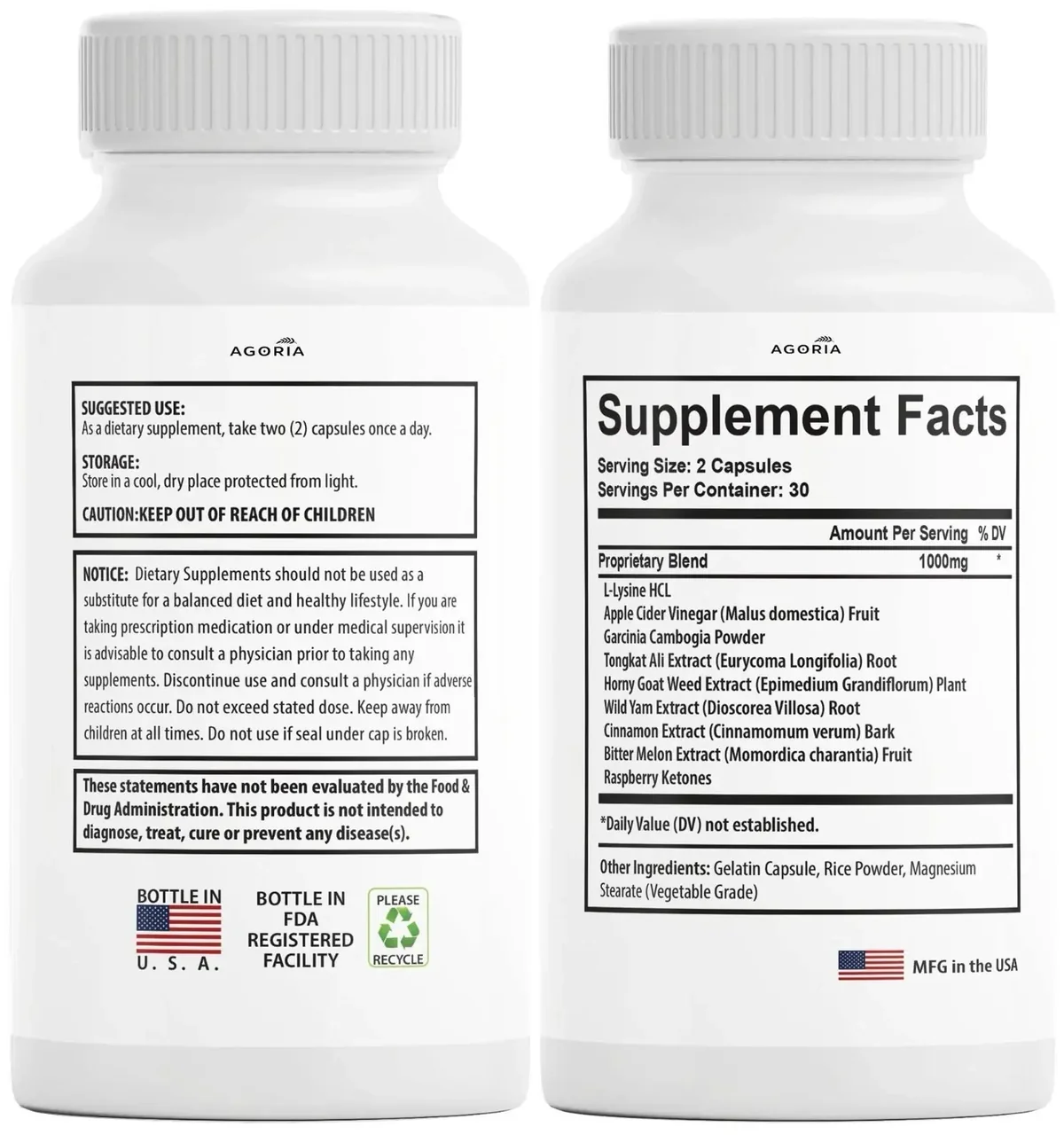
So there is no study dose to measure Leaftide against. The full nine-way breakdown is on the ingredients overview.
Ready to try Leaftide?6 bottles $73 on the live listing · about $0.41 a day · free U.S. shipping
Order nowSafety
Do raspberry ketones have side effects?
None are known, but that mostly reflects how little they have been studied (NIH ODS, Weight-loss supplements).
The one 8-week study the NIH cites found no known adverse effects. Beyond that, the compound is not well studied. Long-term use, pregnancy and use with medicines remain open questions.
An ingredient that has barely been tested can look clean simply because no one has looked closely. Treat raspberry ketones as unknown, not as proven harmless.
The rest of the Leaftide blend has better-known cautions, such as the liver reports tied to garcinia products. Read them on the side effects page before you start.
At a glance
Raspberry ketones in Leaftide by the numbers
Our take
Should raspberry ketones sway your decision on Leaftide?
No. They are the smallest part of the blend and the least studied, so they add little either way.
If you are weighing Leaftide, look at the ingredients that make up more of the blend and carry more research. That means apple cider vinegar and garcinia near the top of the list. Raspberry ketones are a familiar name on the label, not a reason to buy.
The fairest test is your own record. Weigh in once a week, keep your eating and activity steady, and judge the whole capsule after a few months. No single ingredient in it, least of all the last one, has shown it can do the work alone.
FAQ
Raspberry ketones: your questions
Are raspberry ketones the same as BHB?
No. Raspberry ketone is an aroma compound from raspberries. BHB is a ketone body the liver makes during fasting or very low-carb eating. Taking raspberry ketones does not put you into ketosis, and the shared word comes from chemistry, not from any keto effect.
Is there a human study of raspberry ketones alone?
Not according to the NIH Office of Dietary Supplements. It says raspberry ketone has only been studied in combination products, and the research is insufficient (NIH ODS, Weight-loss supplements). That leaves no way to know what raspberry ketones do on their own.
What are the side effects of raspberry ketones?
No adverse effects are known, but they are not well studied. The NIH points to one 8-week study that found no known adverse effects (NIH ODS, Weight-loss supplements). Long-term use, pregnancy and use with medicines remain open questions, so the honest answer is that no one knows.
How much raspberry ketone does Leaftide contain?
The label does not give an amount. Raspberry ketones are listed ninth of nine in a 1000 mg blend ordered by weight. By label math that means at most about 111 mg per two capsules, and it could be only a trace.
Do raspberry ketones come from real raspberries?
The compound occurs naturally in raspberries and gives them part of their smell. Leaftide's label lists raspberry ketones without saying how they were sourced or made. If the source matters to you, the bottle gives no answer.
Why do so many weight loss pills contain raspberry ketones?
They have been widely sold as a weight-loss ingredient, and the name sounds scientific. The evidence never caught up: the NIH calls the research insufficient and notes they were only tested in combinations (NIH ODS, Weight-loss supplements). Popularity on labels is not proof that they work.
Is there evidence that raspberry ketones shrink belly fat?
There is no evidence that they can. Research on raspberry ketones is insufficient for weight loss of any kind, let alone fat in one area (NIH ODS, Weight-loss supplements). A label or ad that promises belly-fat loss from a pill is a red flag.
Who wrote this
Written and reviewed by
Plain-language pages built from the label, the sales page and linked public health sources.
Last updated . Read our editorial standards and how we check reviews. This website is run by a U.S. retailer that sells Leaftide, not by the manufacturer (the label carries the AGORIA name). We earn money when you buy through our order links.
Keep reading
More about Leaftide
Ingredients
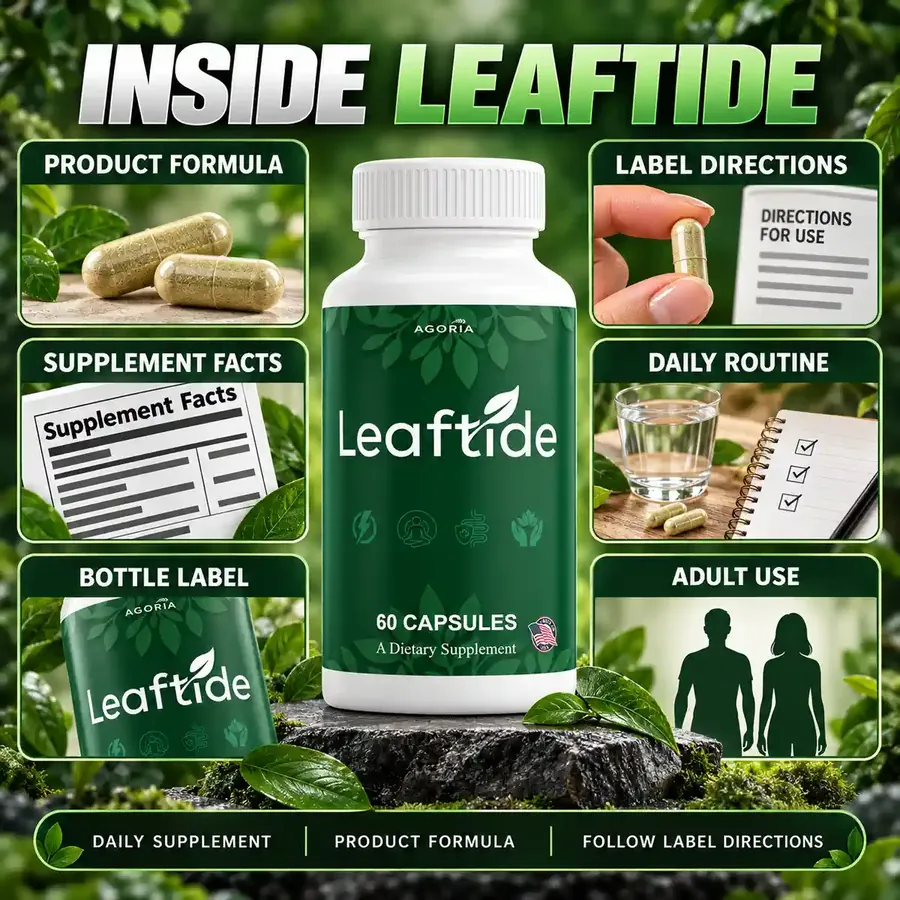
All nine Leaftide ingredients in label order, with the label math on each one and what research says.
Read more
Choosing a supplement
Eight checks for any weight loss supplement, from blends and doses to fake reviews, with Leaftide scored honestly.
Read moreGarcinia Cambogia
Garcinia cambogia in Leaftide: the HCA question, small trial effects, and the liver and mania reports to know.
Read moreUSA Authorized Leaftide Retailer
Ready to try Leaftide?
The live listing sells a 6-bottle pack: about 6 months at 2 capsules a day, with free U.S. shipping and 30-day returns.
- Secure checkout
- 30-day window
- Ships from the U.S. with tracking